Do you actually need the titanium model of the latest phone
Almost certainly not, and the reason is that the material of the frame is one of the least important things about a phone you keep in a case.
I do not review anything I have not held, and I have held these. The titanium versions feel good. They feel slightly lighter, the edges are finished differently, and picking one up in a shop is a genuinely nice experience.
Then you put a case on it and none of that is accessible any more.
What the frame actually does
The frame is structural and it is the antenna. It contributes to rigidity and to how the phone survives a drop.
Titanium alloys used in phones are strong for their weight, which allows a slightly lighter phone at the same rigidity. That is a real engineering benefit and the weight saving is usually a small number of grams.
Aluminium frames are also perfectly rigid at phone scale. Stainless steel, used on some earlier premium models, is heavier and very strong.
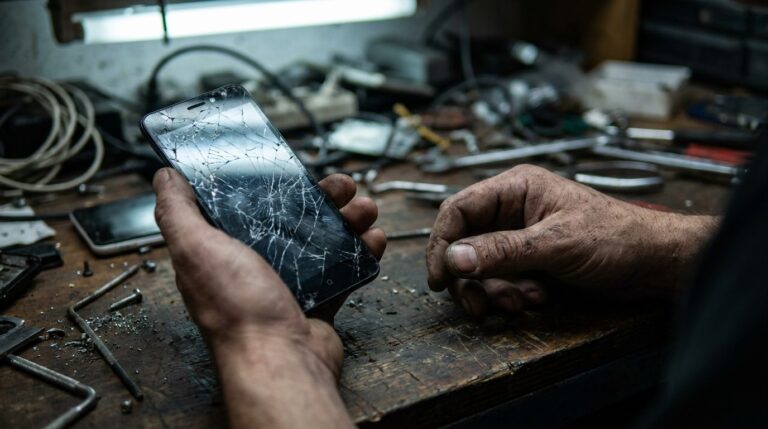
None of these is the thing that breaks. The screen is the thing that breaks, and the screen is glass regardless of what the frame is made of.
What actually protects a phone
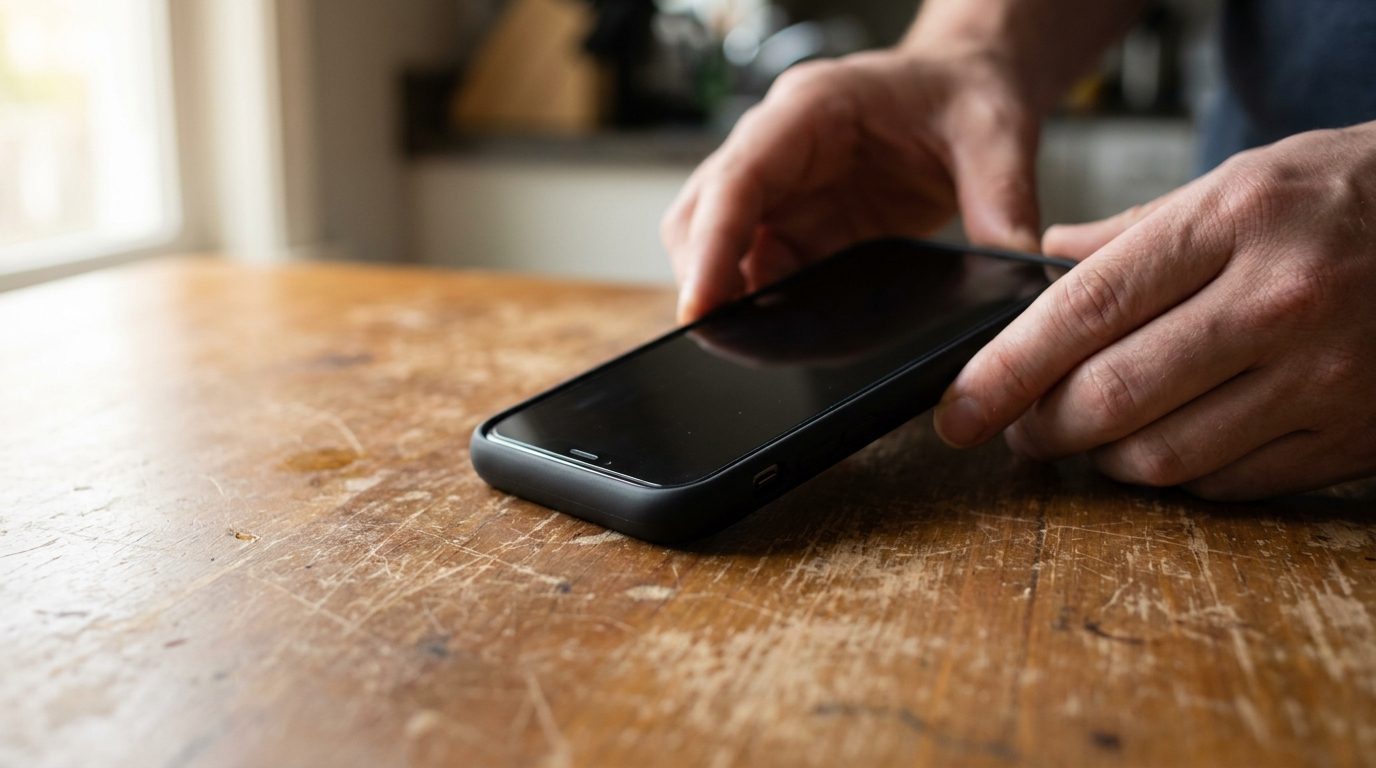
A case, and specifically one with a raised lip around the screen, so the glass does not contact the ground when it lands face down.
The drop tests people cite are mostly measuring the glass and the way the phone lands. A titanium frame does not stop a face down drop onto concrete from cracking a display.
So if you use a case, and almost everyone does, the frame material has close to no practical consequence for you.
What the premium model actually gets you
This is the part worth thinking about, because the frame is usually bundled with other differences.
Better cameras, typically a longer telephoto lens and a larger main sensor. This is real and it is the main reason to consider the higher model.
More memory and more storage options.
A brighter or higher refresh rate display, depending on the year.
Sometimes a better chip, sometimes the same one.
Those things are worth money to some people. Decide on those, and treat the frame as packaging.
Who should consider it
If you photograph a lot, particularly at distance, the camera differences are the argument and they are a good one.
If you shoot video professionally or semi professionally, the premium models often carry recording features the base models do not.
If you keep a phone for four or five years, paying more for more memory is defensible, because memory is what ends a device's usable life.
Who should not
If you use your phone for messages, calls, maps, a few apps and casual photographs, the base model of the same generation does all of it identically.
If you were going to put it in a case, which you were.
If the only difference you can articulate is the finish.
The used option
The previous generation premium model, in good condition, second hand, is usually the best value in the entire market.
You get the cameras and the build of a flagship, one year old, for a large discount, and phones of the last several generations are supported for years.
Check the battery health figure before buying, and buy from somewhere with a returns policy.
What I tell people
Go and hold both. Actually hold them, in the shop, for a couple of minutes each.
Then ask yourself whether the difference you felt is worth the price difference, knowing that you will feel it for about a week and then it will be in a case.
For most people the honest answer is no, and there is nothing wrong with that. It is a nice object and nice objects cost money. Just buy it for that reason rather than for a durability argument that a twelve dollar case makes irrelevant.