The home appliance brands that end up in repair shops the most
I am not going to give you a league table of brands, and I want to explain why before anyone accuses me of dodging.
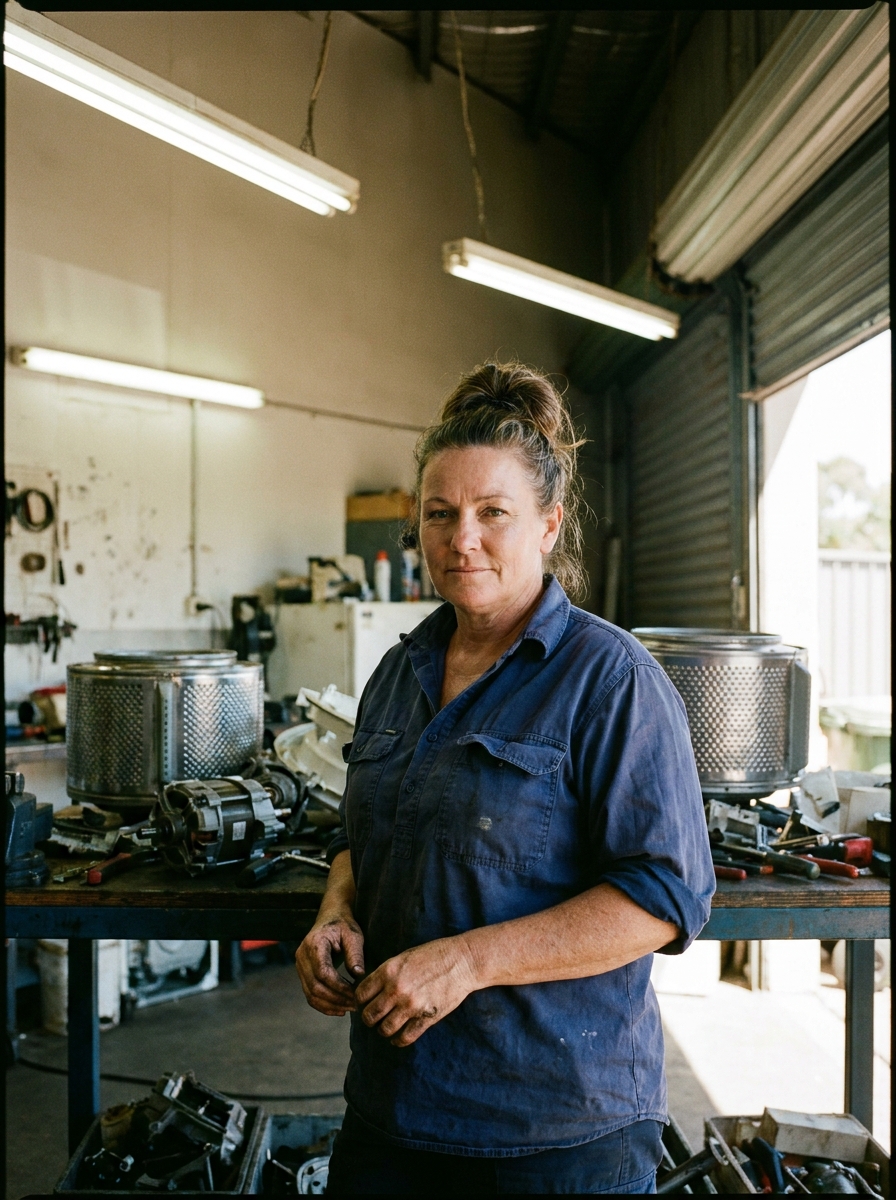
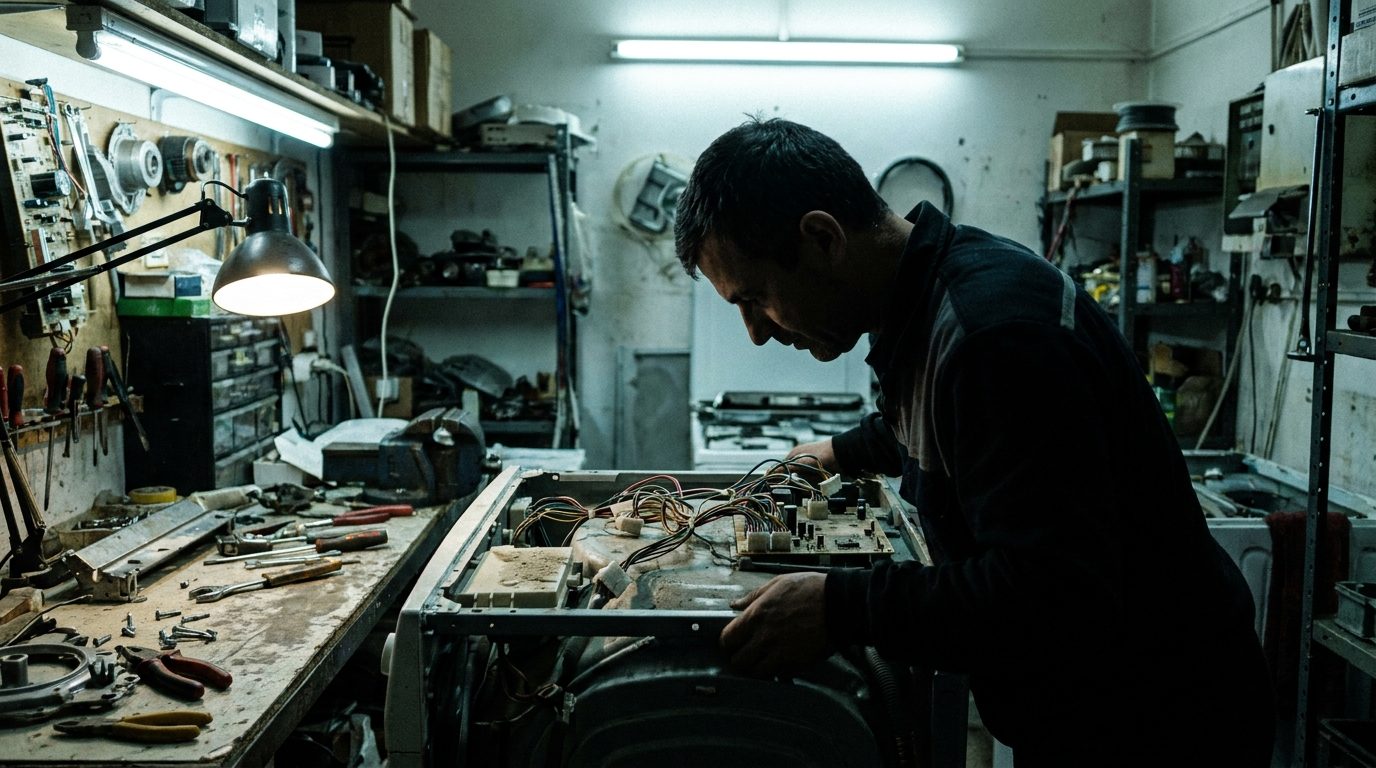
My brother and I have run an appliance repair shop in Grand Rapids for a long time, and what comes through our door is a sample of what people around here bought eight years ago, not a measure of reliability. A brand with a big local market share generates more repair calls simply because there are more of them out there.
Anyone who tells you their shop's call volume proves a brand is bad is telling you about their customers, not about the machines.
What I can tell you is what breaks, and that is more useful anyway.
Price tier beats brand name
The same badge sells machines at three very different price points, often built in different factories to different specifications.
The cheap end of a respected brand is frequently worse than the mid range of a brand nobody has heard of. People buy on the name and get the parts bin.
When somebody asks me what to buy, my first question is what they are prepared to spend, because that determines more than the logo does.
Complexity is the real predictor
Every feature is a part, and every part is a failure point.
A machine with a mechanical dial and three programmes has very little to go wrong. A machine with a touch screen, wireless connectivity, a phone app, automatic detergent dosing and twenty cycles has all of those things plus the control board that runs them.
Control boards are the single most common expensive failure I see, and they are the repair most likely to write off the machine, because a board can cost more than half the price of a new appliance.
I have never once replaced a wireless module because a customer needed it working. I have replaced plenty of boards where the wireless was part of what failed.
The specific things that fail
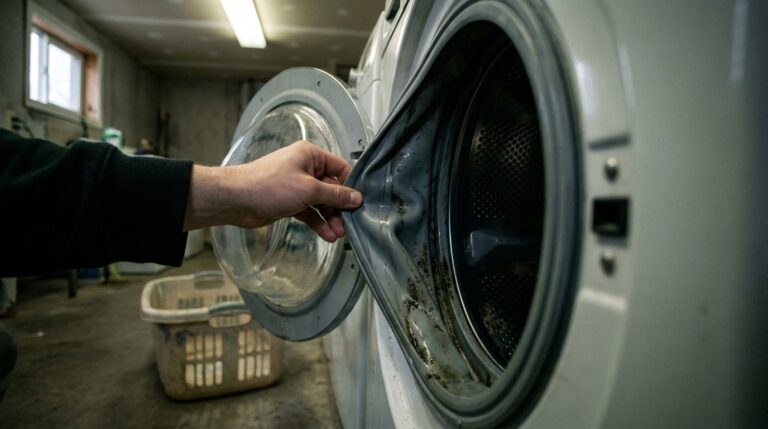
Bearings in front loading washers. When you hear a rumble that gets worse on the spin, that is bearings, and on many machines the bearings are pressed into the outer drum which is sealed and sold as a unit. The part plus labour frequently exceeds the value of the machine. This is the number one write off in our shop.
Drain pumps, which are cheap and easy, and usually fail because of coins, hair clips and the wire from a bra.
Door latches and lid switches, cheap, and the cause of a machine that will not start at all.
Ice makers in refrigerators, which are the most failure prone assembly in a modern fridge by a wide margin. If you do not need one, a model without it is one fewer thing to go wrong.
Dishwasher control boards, particularly in machines where the board sits in the door and gets steam.
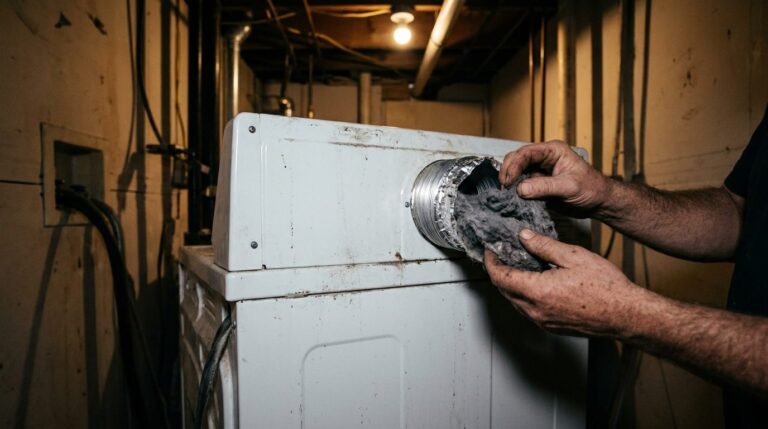
Heating elements in dryers, which are inexpensive and straightforward.
Compressors, rarely, and when they go the refrigerator is finished in practice.
What I would actually advise
Buy the simplest machine that does what you need, in the mid range rather than the bottom.
Check that parts are available. Some brands are very good about spares and some are impossible, and that matters more than the initial quality, because everything fails eventually. Ask a local independent shop which brands they can get parts for. They will tell you straight away.
Avoid anything where the repair requires proprietary tools or a manufacturer technician.
And be sceptical of extended warranties. Read what they cover and who performs the work. Money in a savings account covers the same risk and is yours if nothing happens.
On reliability rankings
Published reliability surveys are better than nothing and they have real limits. They are usually based on owner reported problems within a few years, which catches early failures and misses the eight year bearing failure entirely.
Ask a local repair shop what they see. Not which brand is best, which is a question we cannot answer honestly, but which parts they cannot get and which machines they refuse to quote on. That answer is specific and it is worth more.